Planning Your Waterway Route: Step by Step
Before you clip into your pedals and hit the river paths, you need a solid plan. We’ll walk you through choosing your route, calculating distances, checking seasonal conditions, and getting your bike ready for adventure.

Know What You’re Getting Into
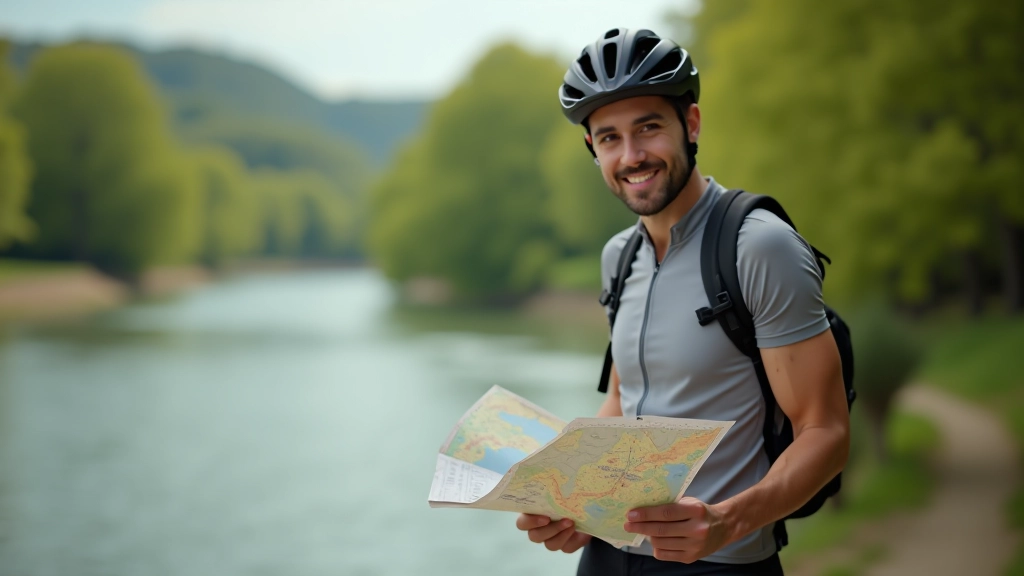
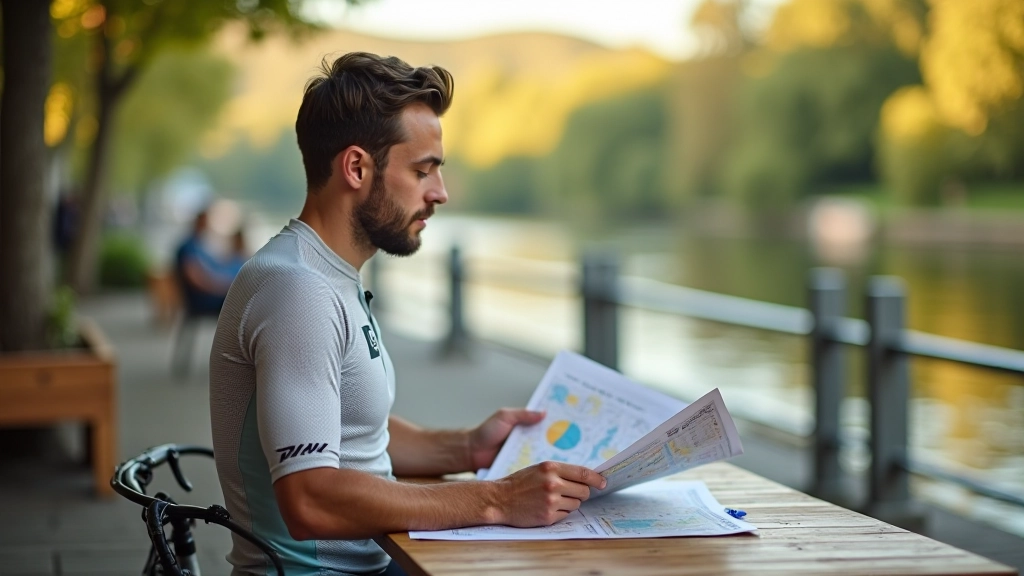
The first step isn’t pulling out a map. It’s being honest about your fitness level and what kind of cycling appeals to you. Are you looking for a leisurely afternoon ride with plenty of stops for food and photos? Or are you training for something specific and need to log serious distance?
This matters because the three major Czech river routes — Vltava, Elbe, and Morava — vary dramatically. The Vltava from Prague to Melník is about 45 kilometers of mostly gentle riding with cultural stops. The Elbe sections get rougher depending on which part you choose. The Morava is quieter but windier and hillier in spots.
Don’t just pick the “famous” route. Pick the one that matches your actual ability right now, not where you want to be in six months.
Calculate Distance and Time Honestly
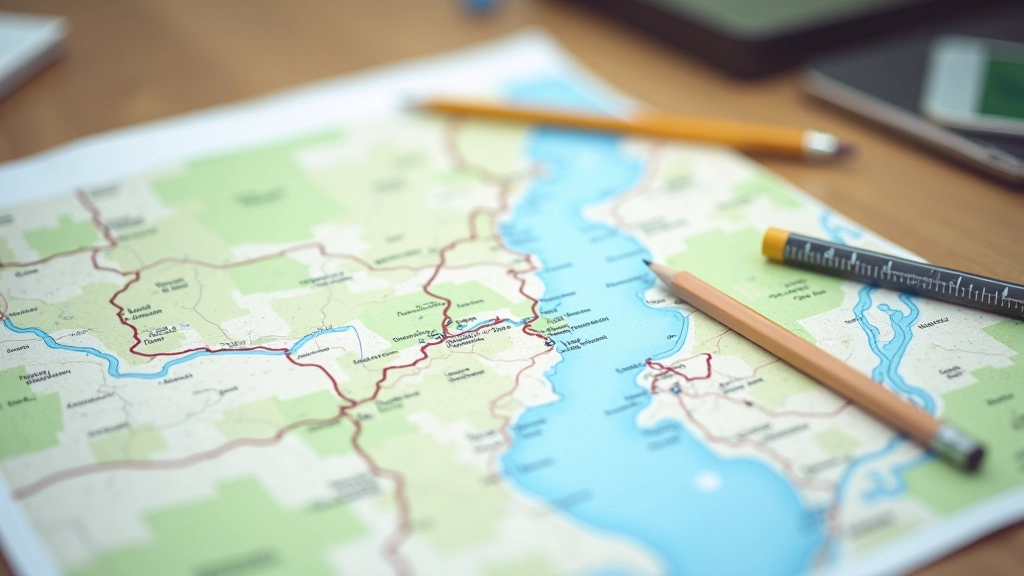
Here’s where most people mess up. They see a 60-kilometer route and think “I can ride 60 kilometers.” But that’s not accounting for stops, headwind, terrain variation, or just getting tired.
A realistic estimate: On flat paved paths like most river routes, aim for 15-20 kilometers per hour if you’re stopping for photos and snacks. That’s not slow — it’s actually how people enjoy cycling. If you’re trying to maintain 25+ km/h the whole time, you’ll burn out by kilometer 40 and hate the rest.
So if you’re looking at a 50-kilometer route with moderate terrain, budget 3-4 hours of actual riding time, plus whatever time you want to spend at stops. That’s a full day activity, not a quick afternoon thing.
Quick tip: Use your longest recent ride as a baseline. If you’ve done 35 kilometers comfortably before, you’re ready for a 50-kilometer route with breaks. If your longest ride is 20 kilometers, start with something under 40 kilometers.
Educational Information
This article is provided for educational and informational purposes. Conditions on river routes change seasonally and can vary based on weather, maintenance, and local regulations. Always check current conditions with local cycling organizations before departure, and consider consulting experienced local cyclists for the most up-to-date route information.
Check Seasonal Conditions and Weather Patterns
The Vltava in March is a different experience than the Vltava in September. Spring means higher water levels and muddier paths in some sections. Summer brings heat and crowded weekends. Autumn offers perfect temperatures but increasing wind.
The river paths themselves change too. Some sections flood in spring. Others become overgrown if maintenance gets skipped. Winter isn’t impossible but you’re dealing with ice patches and slippery conditions on certain segments.
Check local cycling forums and recent trip reports before you go. People post actual conditions — “The path near Vraňany was muddy last weekend” — that you won’t find in guidebooks. You’re looking for patterns: Is this route rideable right now? Are there detours? Any recent repairs that might affect your route?

Prepare Your Bike and Gear
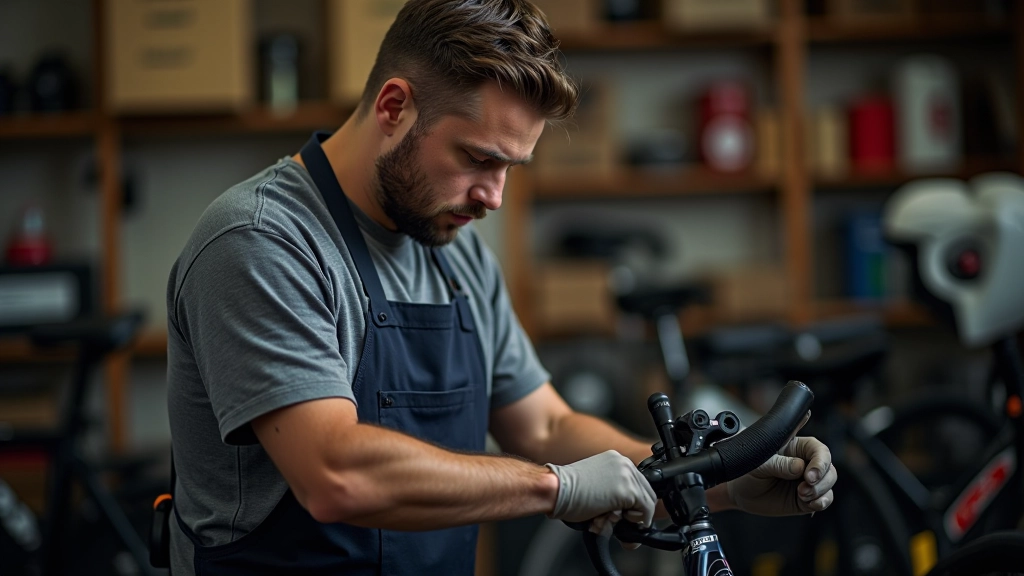
Don’t assume your bike is ready just because it works around town. River routes have different demands. You need good tires with some tread (smooth tires slip on wet paths). Your brakes need to be responsive because you’ll be doing a lot of stopping on longer routes. The chain should be clean and lubricated.
Here’s a simple pre-ride checklist: Spin the wheels — they should turn freely without wobbling. Squeeze the brake levers — they shouldn’t be mushy. Try to shift through all gears. Check tire pressure and add air if needed. Wipe the chain and add lube if it looks dry.
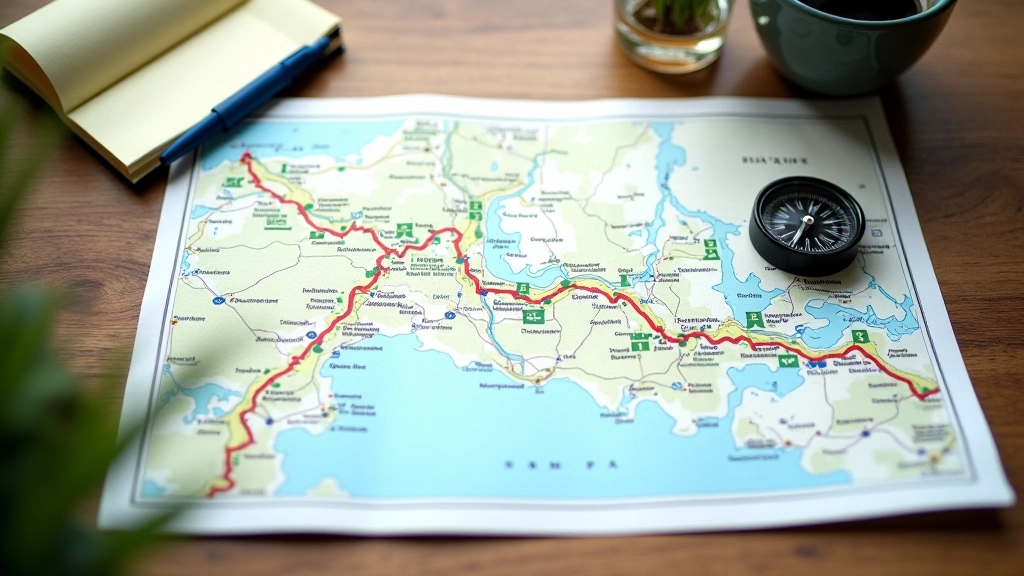
Beyond the bike, think about what you’ll actually need. Water bottle or hydration pack? Yes. Basic repair kit with a spare tube? Absolutely. Food that doesn’t melt in your jersey pocket? Definitely. Phone for navigation? Helpful but don’t rely only on GPS — bring a printed map as backup.
- Tire pressure: Check and adjust to route type (lower pressure = better grip on loose surfaces)
- Brakes: Test both front and rear, ensure they stop you smoothly
- Chain: Clean and lubricate, shift through all gears
- Lights: Bring them even if riding in daylight (visibility matters)
- Hydration: At least 1.5 liters of water for a 4-hour ride
Plan Your Stops and Know Your Escape Routes
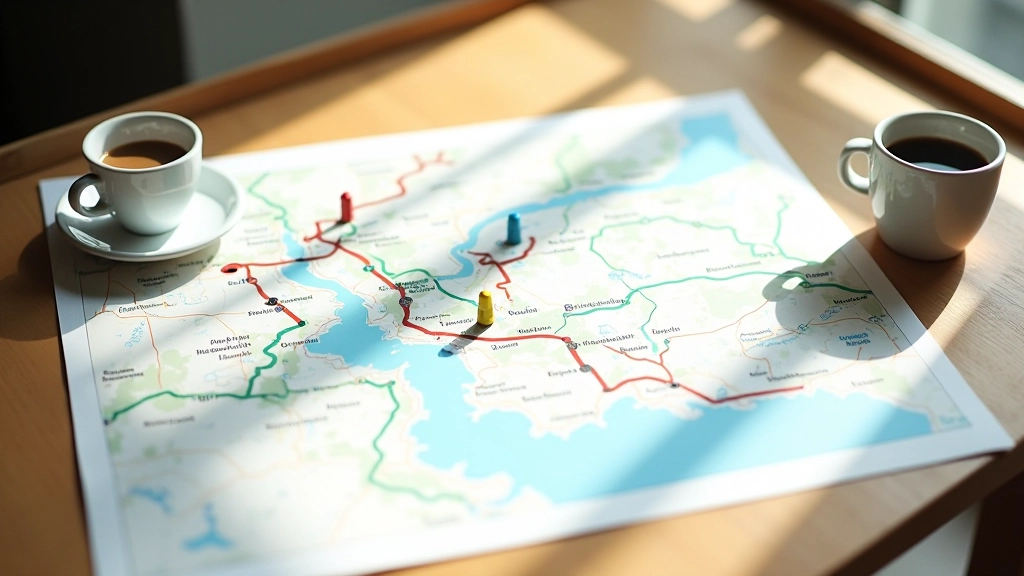
You’ll want to stop. That’s not a failure — that’s the whole point. A 50-kilometer ride with three good stops is more enjoyable than a non-stop push. So plan them in advance. Where can you get food? Water refills? Is there a café at kilometer 25 where you can rest your legs?
Equally important: know how to bail out if things go wrong. Your leg hurts. The weather turns. You’re just tired. Most river routes have towns nearby. You can catch a bus or train from various points. Know where those towns are. Know what the public transport schedule looks like. Don’t get stuck 40 kilometers from home with no way back except pedaling through pain.
This isn’t pessimism. It’s just being smart. You’ll ride with more confidence if you know you’ve got an exit plan.
You’re Ready to Plan
Planning doesn’t kill spontaneity. It actually creates it. When you know your bike is in good shape, you’ve calculated realistic timing, you understand the seasonal conditions, and you’ve identified good stops, you can relax and actually enjoy the ride instead of white-knuckling it through uncertainty.
The Vltava, Elbe, and Morava aren’t going anywhere. Take time to plan properly, and you’ll have a ride that you actually want to repeat. That’s the difference between a route you did once and a route you keep coming back to.
Ready to explore specific routes in detail?
Read the Vltava Route GuideRelated Routes