Vltava Bike Trail: Complete Route Guide
Everything from Prague to Melník — distance markers, difficulty sections, and where to stop.
Breaking down the different sections of the Elbe cycling route — terrain types, elevation changes, and best times to ride each part.
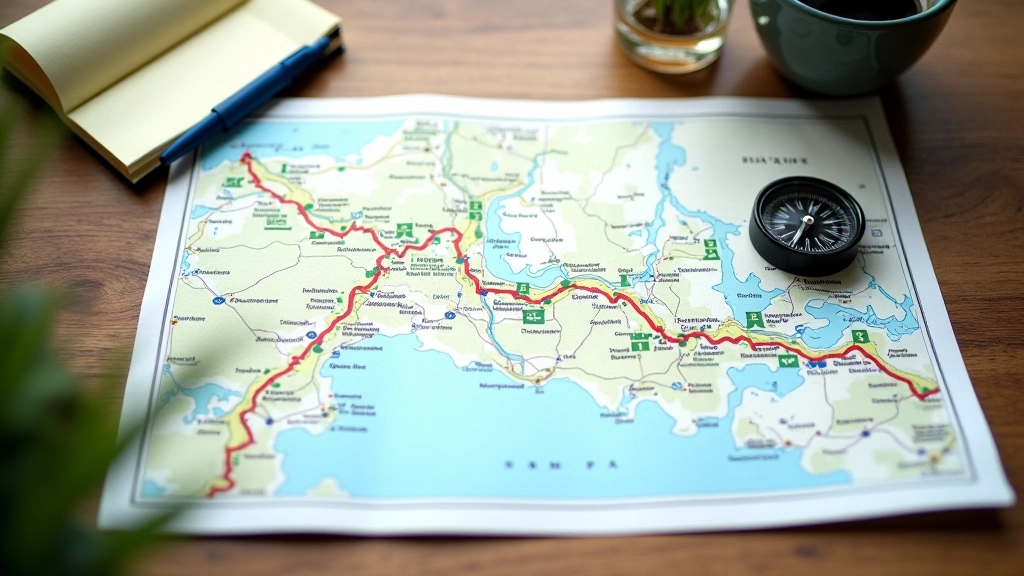

The Elbe cycling route stretches over 1,000 kilometers from its source in the Krkonoše Mountains to the German border. It’s one of Europe’s most popular river cycling trails. But here’s the thing — it’s not one continuous experience. The route changes dramatically depending on where you are.
We’ve split the Elbe into five distinct sections. Each one has its own character, challenges, and rewards. Whether you’re planning a weekend trip or a multi-week adventure, knowing what to expect in each section makes all the difference.
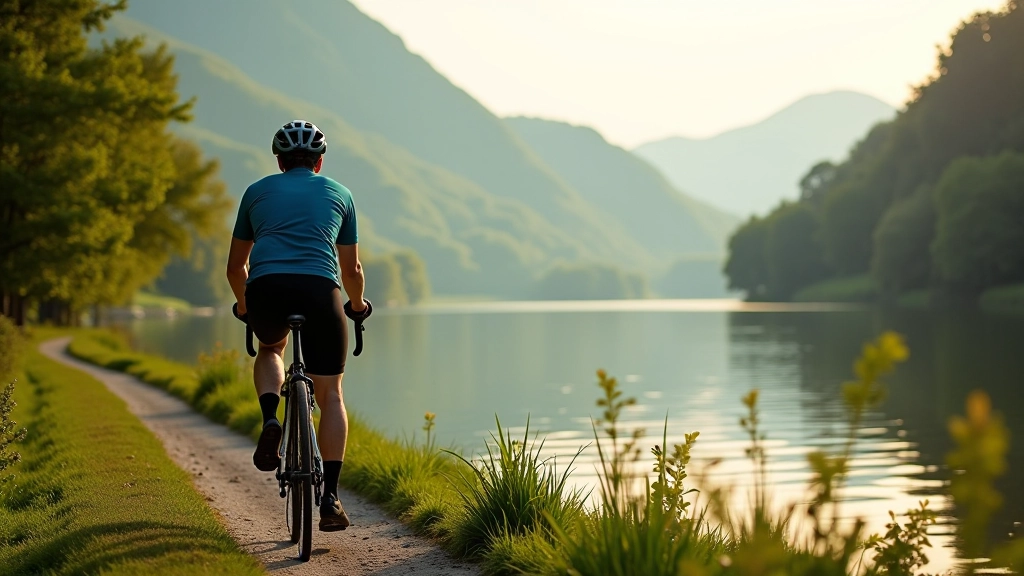
Each section offers unique challenges and scenery
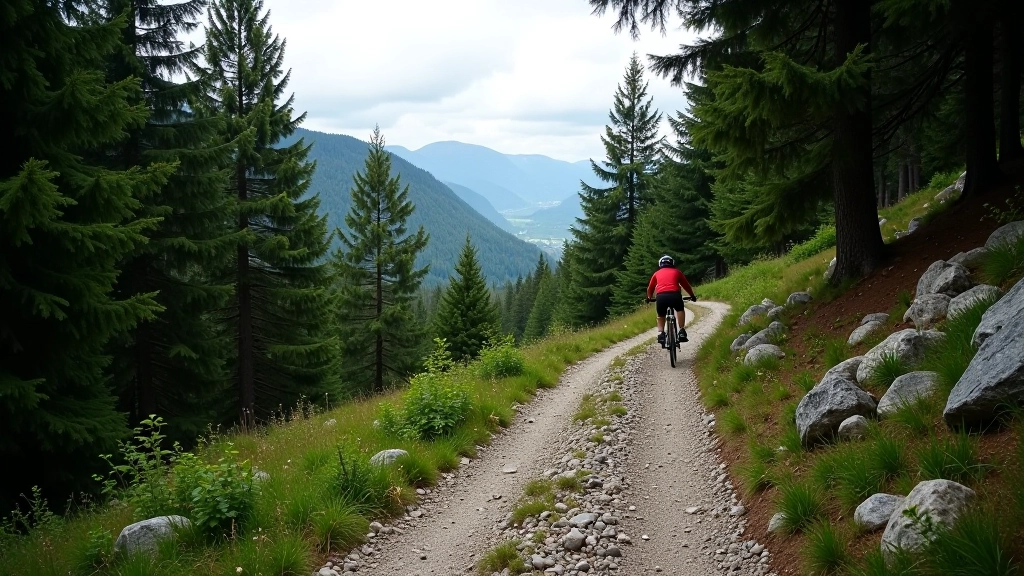
Krkonoše to Spindlerův Mlýn. Steep descents, forest terrain, challenging for beginners. About 45km of intense riding with elevation changes.
Spindlerův Mlýn to Jaroměř. Moderate terrain with scenic valley views. The trail smooths out here but still has some rolling hills. Around 80km total.
Jaroměř to Prague. Mostly flat, well-maintained paths. Perfect for intermediate cyclists. The most popular section with plenty of facilities. About 120km.
Through Prague city. Flat, easy pedaling, but busy with traffic. Multiple path options through parks and along the river. Around 30km.
Prague to Litoměřice and beyond. Gradually flattening landscape, quiet rural paths. Less crowded than Prague section. Around 70km of relaxed riding.
This guide provides educational information about the Elbe route sections. Trail conditions, weather, and accessibility can change seasonally. Always check current conditions with local tourism boards, consult weather forecasts, and verify path maintenance before planning your trip. Personal fitness levels vary — choose sections matching your experience and physical capabilities.
Starting high in the Krkonoše Mountains, this section isn’t for casual cyclists. The elevation drops dramatically as you descend toward Spindlerův Mlýn. You’re looking at roughly 600 meters of elevation loss over 45 kilometers.
The terrain here is rough. Gravel paths, some unpaved sections, and narrow forest trails dominate the first 20km. Your brakes will work overtime. After Spindlerův Mlýn, the path smooths out a bit as you enter the valley, but the first section demands technical skill and good bike handling. Most riders take 4-5 hours for this part.
Best time? June through September. The paths are driest then and visibility is excellent. Winter and early spring mean mud, ice patches, and unpredictable conditions. Bring proper tires — road slicks won’t cut it here.
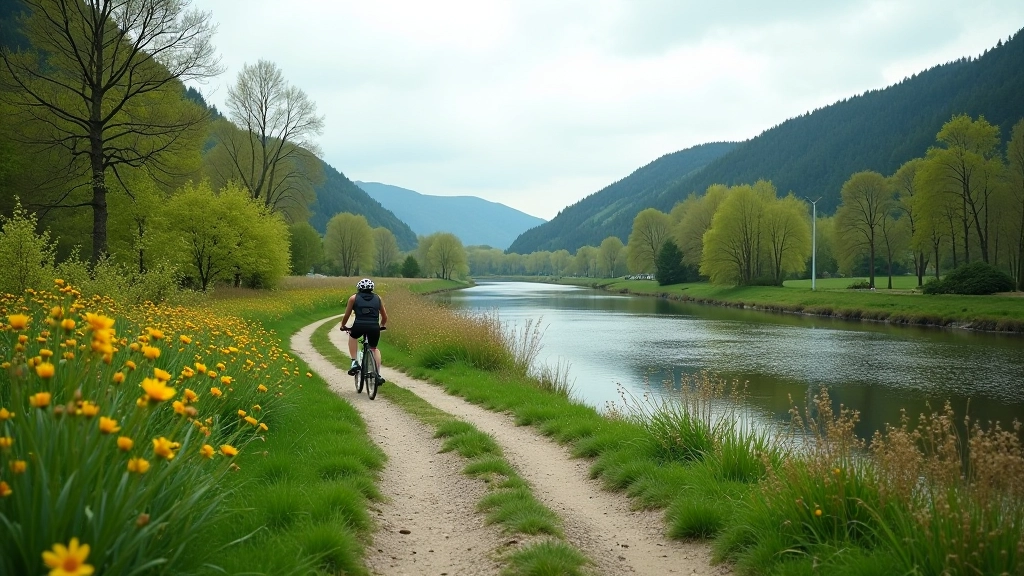
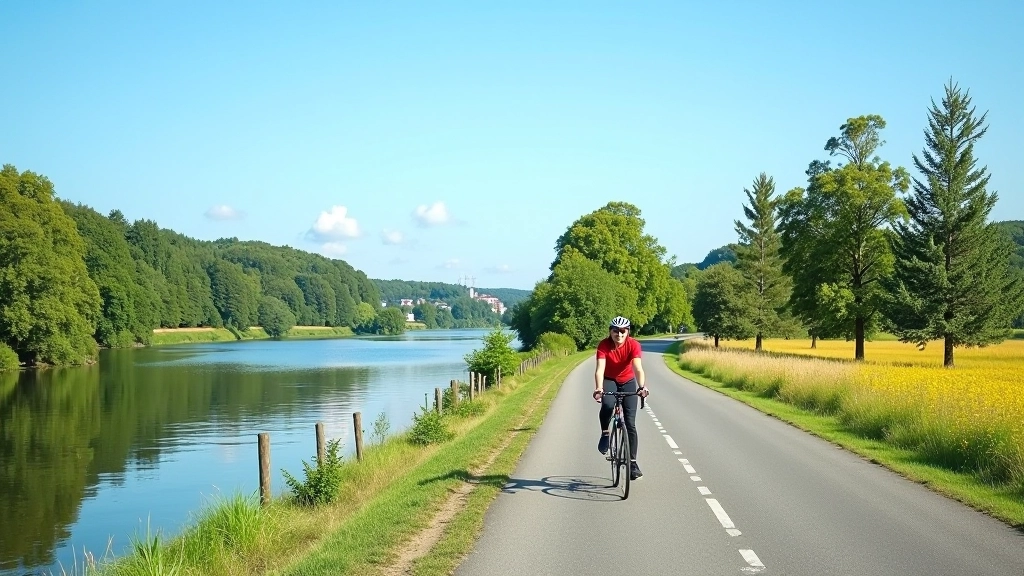
This is where most cyclists spend their time. From Jaroměř to Prague, the Elbe route becomes genuinely accessible. The path is wide, well-maintained, and mostly flat. You’ll find paved sections, quality gravel, and some asphalt — nothing too technical.
The 120-kilometer stretch takes most people 2-3 days of casual riding. You can do it in one long day if you’re fit, but there’s no rush. Towns are frequent — Poděbrady, Nymburk, Mělník — each offering cafes, shops, and overnight options. It’s the most tourist-friendly section by far.
Spring and autumn are ideal. Summer gets crowded with families and organized tours. The path is open year-round, though winter can be icy in places. Average daily distance is 50-60km if you’re taking your time and exploring side routes.
Practical details that matter when you’re planning
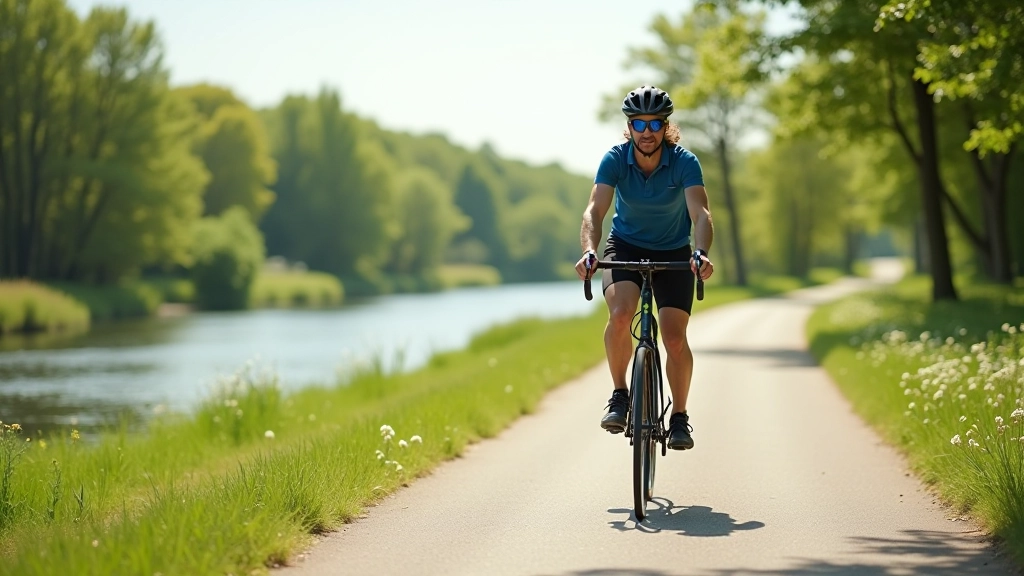
Mountain sections need proper traction. Gravel or hybrid bikes work best for the first two sections. Road bikes struggle on unpaved terrain. Central section is fine with any type.
May through September is ideal for the whole route. April and October work but can be wet. November through March — only the central section is really rideable. Upper sections are risky.
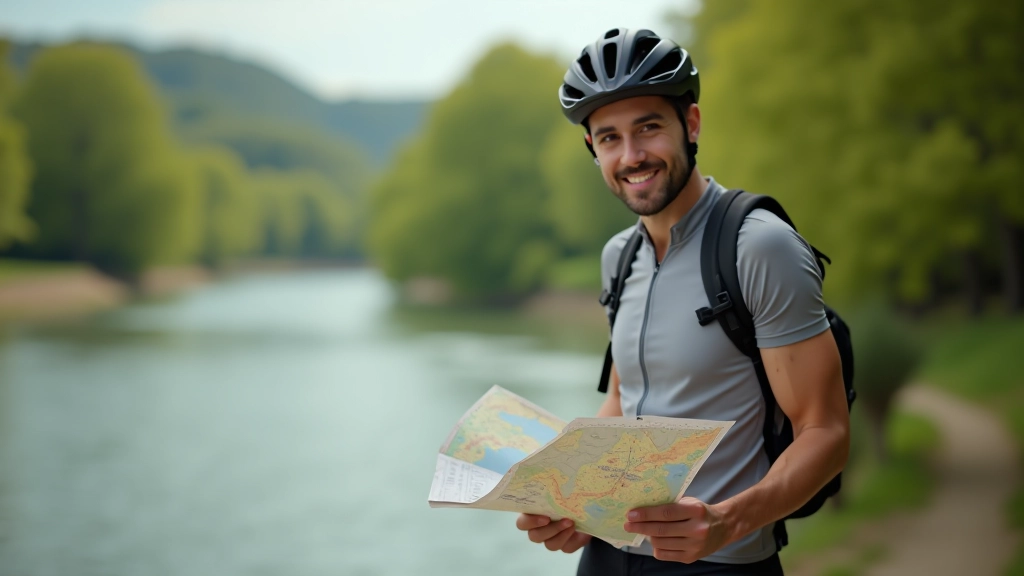
Download offline maps before you go. Signal gets spotty in mountain sections. Paper maps are useful backup. Main paths are well-marked but side routes can be confusing.
Central plateau has plenty of villages. Mountain sections are sparse — carry water and snacks. Prague section has everything you need within 5km. Plan accordingly.
The Elbe route isn’t one experience. It’s five completely different adventures depending on which section you tackle. Beginners should start with the central plateau section — it’s forgiving, well-supported, and genuinely beautiful. Experienced cyclists can challenge themselves in the mountains or explore the quieter lower valley sections.
The best approach? Don’t feel pressured to do the whole thing. Pick a section that matches your fitness, bike type, and available time. We’ve seen plenty of cyclists do just one section and absolutely love it. Others return year after year, working their way through different parts. There’s no wrong way to experience the Elbe.
Plan ahead, check conditions, bring proper gear, and you’ll have an unforgettable ride along one of Europe’s best river routes.
Ready to explore other Czech river routes?
Read Our Planning Guide