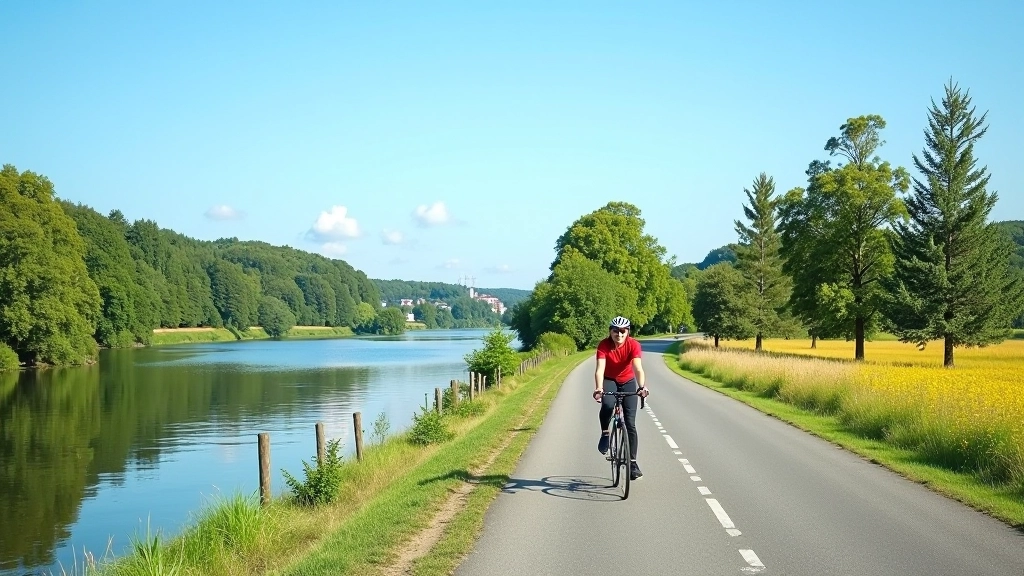
Elbe Trail Sections: What to Expect
Breaking down the different sections of the Elbe cycling route — terrain types, water conditions, and what each stretch demands from riders.
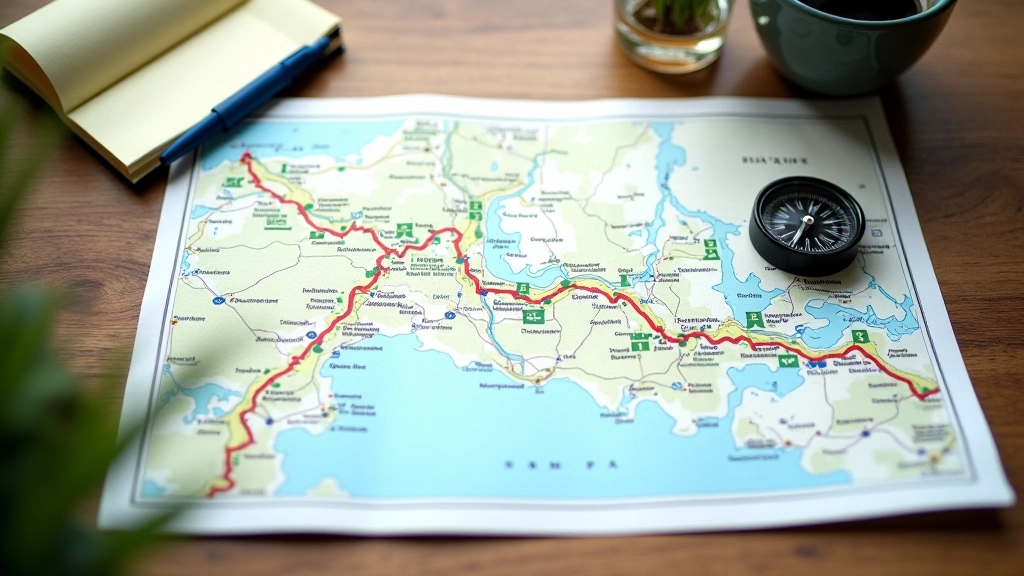
Everything from Prague to Melník — distance markers, difficulty sections, and where to find rest stops along the way.
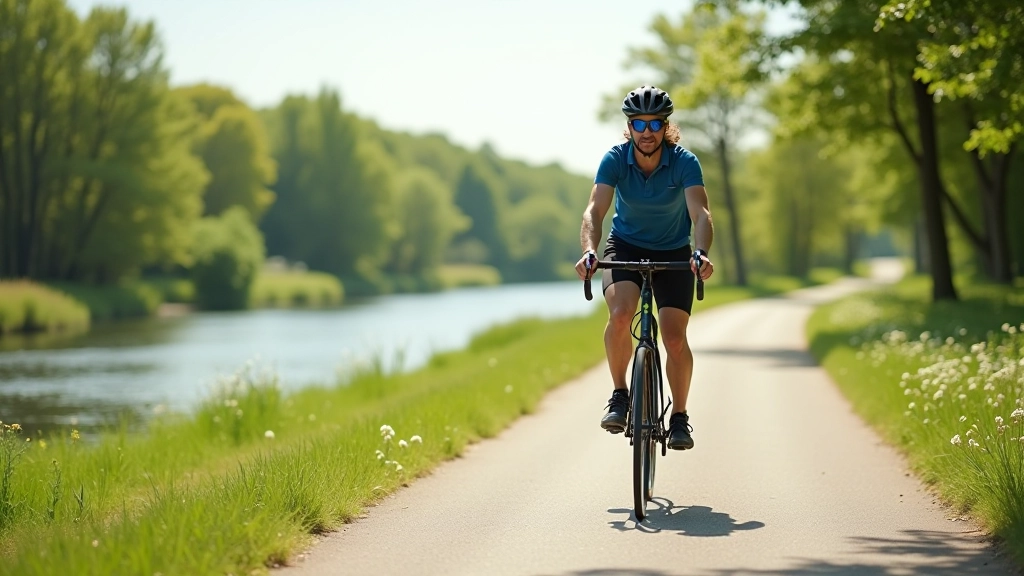

The Vltava bike trail isn’t just one path — it’s a series of connected segments that follow Bohemia’s most important river from source to mouth. We’re talking about roughly 430 kilometers of cycling opportunity, though most riders tackle it in sections rather than end-to-end. The Prague to Melník stretch is the most popular, and honestly, it’s where you’ll find the best infrastructure and most reliable rest stops.
What makes this trail special is the mix. You’re not just pedaling through countryside — you’ll ride past medieval castles, through wine country, and alongside locks that are genuinely impressive pieces of engineering. The terrain varies too. Some sections are dead flat alongside the water, while others climb away from the river and test your legs.
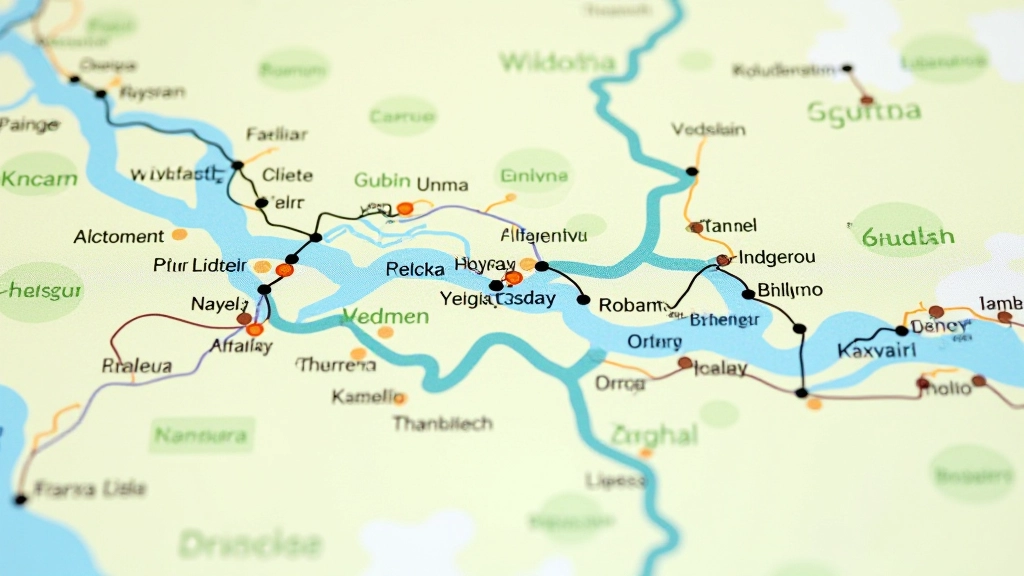
The Prague to Melník segment is 38 kilometers of mostly easy riding. You’ll start at the city center, head north, and the terrain opens up pretty quickly. Around kilometer 12, there’s a decent climb away from the river, but it’s short and manageable. Most cyclists complete this in 3-4 hours with photo stops.
Beyond Melník, the river gets wider and slower. The path quality stays consistent — you’re on maintained cycling routes marked with the blue-and-white Vltava trail symbol. The landscape shifts from industrial outskirts to genuine countryside with vineyards. This is where you’ll notice the real difference in scenery.
Flat riverside paths, good surfaces
Rolling hills, mixed surfaces
Gravel sections, sustained climbs
Vyšehrad Castle appears almost immediately if you’re starting in Prague proper. It’s worth a detour — you’ll get solid views of the city and the river valley. The castle sits about 2 km off the main trail, so it’s a 20-minute side trip if you’ve got the energy.
Around the 15-kilometer mark, you’ll hit Podolí, where there’s a functioning swimming area right on the water. It’s popular on warm weekends, so expect crowds in July and August. The café here is decent for a coffee break.
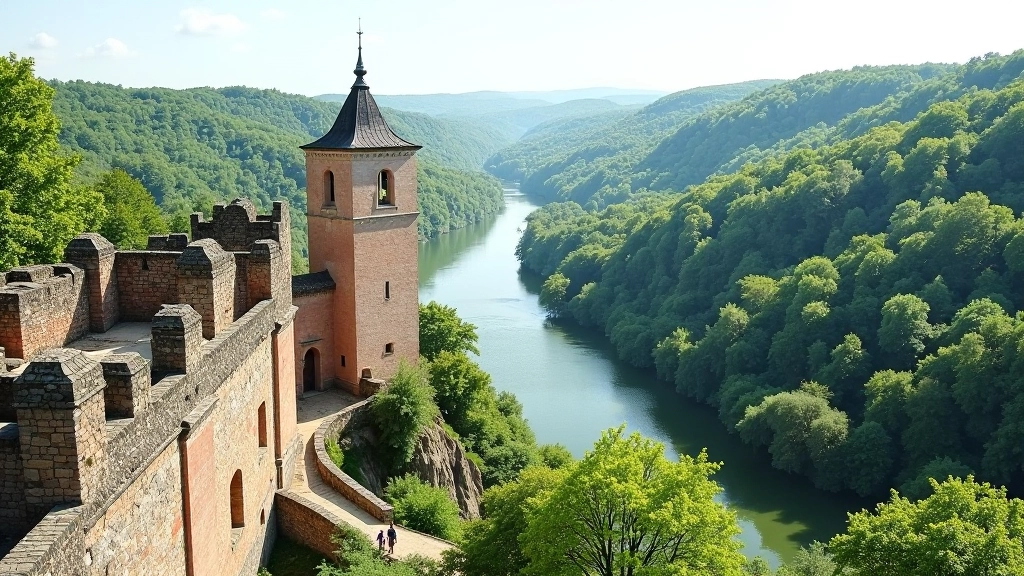
Melník itself is the major town at the end of this section. The town sits at the confluence of the Vltava and Elbe rivers, and there’s actually a nice viewpoint from the castle ruins up on the hill. The main square has several restaurants and a small grocery store if you need supplies.
This guide is informational and based on current conditions as of April 2026. River levels, path maintenance, and local regulations can change seasonally. Always check current weather, water levels, and local cycling authority updates before heading out. Conditions vary by season — spring flooding can affect lower sections, while late summer might bring water restrictions. Carry a map, wear appropriate safety gear, and let someone know your route.
Rest stops are reasonably spaced on the Prague-Melník section. You’ll find a café or small restaurant roughly every 8-12 kilometers. Don’t count on vending machines — bring snacks. Water refill points aren’t abundant, so carry a bottle and plan ahead.
The trail surface is mostly good asphalt with some gravel sections. Nothing extreme, but you’ll want a hybrid or road bike rather than a full mountain bike. Puncture repairs are annoying on a riverside path with limited cell service, so know how to fix a flat.
Parking near Prague’s starting point is your main headache. The public parking lot at Smíchov is convenient but gets full on weekends. Consider public transit to get to a better starting point further north. Or ride from your accommodation — plenty of Prague cyclists do the full loop in a day.
Morning rides avoid midday heat and give you flexibility if something takes longer than expected. Early starts also mean you’ll beat the crowds at popular stops.
Spring flooding occasionally closes lower sections. The Czech Hydrometeorological Institute publishes updates. Don’t assume the trail is open just because it was last week.
While cafés exist, they’re not always open. Pack enough water, snacks, and a basic repair kit. The ride is isolated enough that self-sufficiency matters.
Cell service is spotty along the river. Use an offline mapping app like Maps.me or download the official Vltava trail map from the cycling authority before you go.
You don’t need a high-end bike, but it should be well-maintained. A flat 20 kilometers from the nearest town isn’t fun. Do a pre-ride check on brakes, tires, and chain.
Riverside paths get windy. What looks like light wind in the city can be a genuine headwind along open water. Dress in layers and be prepared to turn back if conditions get dangerous.
The Vltava trail from Prague to Melník is manageable, scenic, and genuinely rewarding. It’s not a brutal challenge — you’re not racing — but it demands respect. Respect for the weather, the water, and the simple fact that you’re spending hours on a bike away from major roads.
Most riders find it’s the perfect introduction to longer cycling journeys. It’s long enough to feel like an accomplishment, but short enough that you can actually recover the next day. The views alone make it worth the effort. Come spring or early autumn when the weather cooperates, and you’ll understand why this river has been important to people for centuries.